CHOCOLATE
Darker is worse
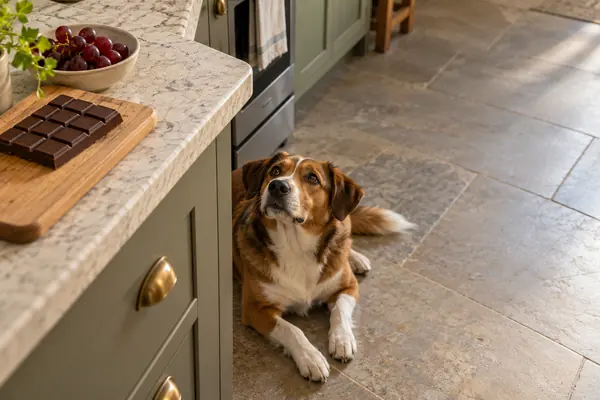
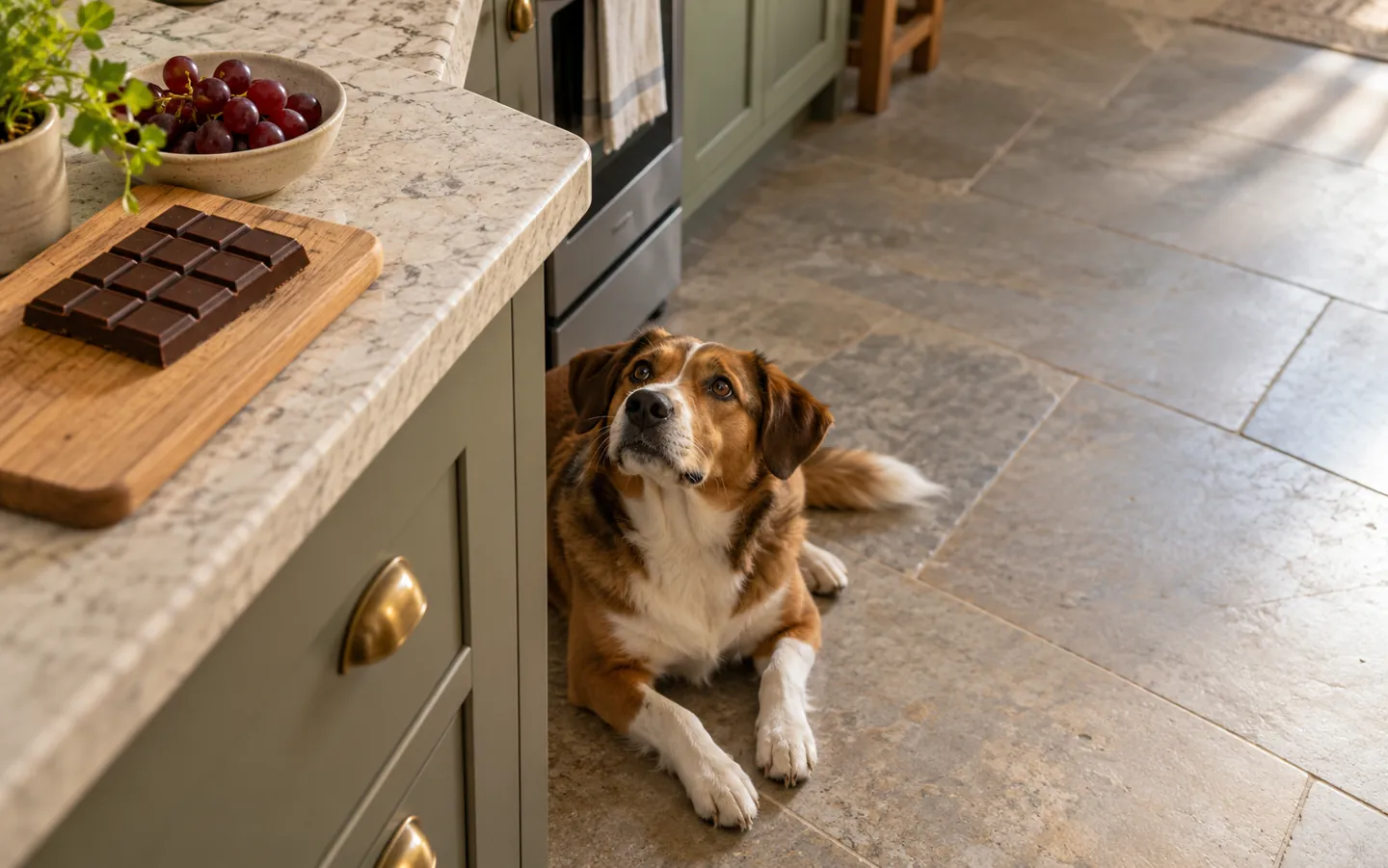
Chocolate contains theobromine, which dogs do not tolerate well. Even a relatively small amount of dark chocolate can cause tremors, convulsions and heart problems.
See the numbers mydoodlepets
WHAT THE POISON SPECIALISTS SAY
Some of our favourite treats are poisons to pets.
The UK's veterinary poisons service hears about thousands of substances, from medicines to garden products. A handful of everyday foods and one popular flower come up again and again, and some are dangerous in small amounts.
KEEP IT out of reach
Check a hazardTHE SHORT ANSWER
Most are already in the house.
The risk is a pet finding them first.
CHOCOLATE
Chocolate contains theobromine, which dogs do not tolerate well. Even a relatively small amount of dark chocolate can cause tremors, convulsions and heart problems.
See the numbersLILIES
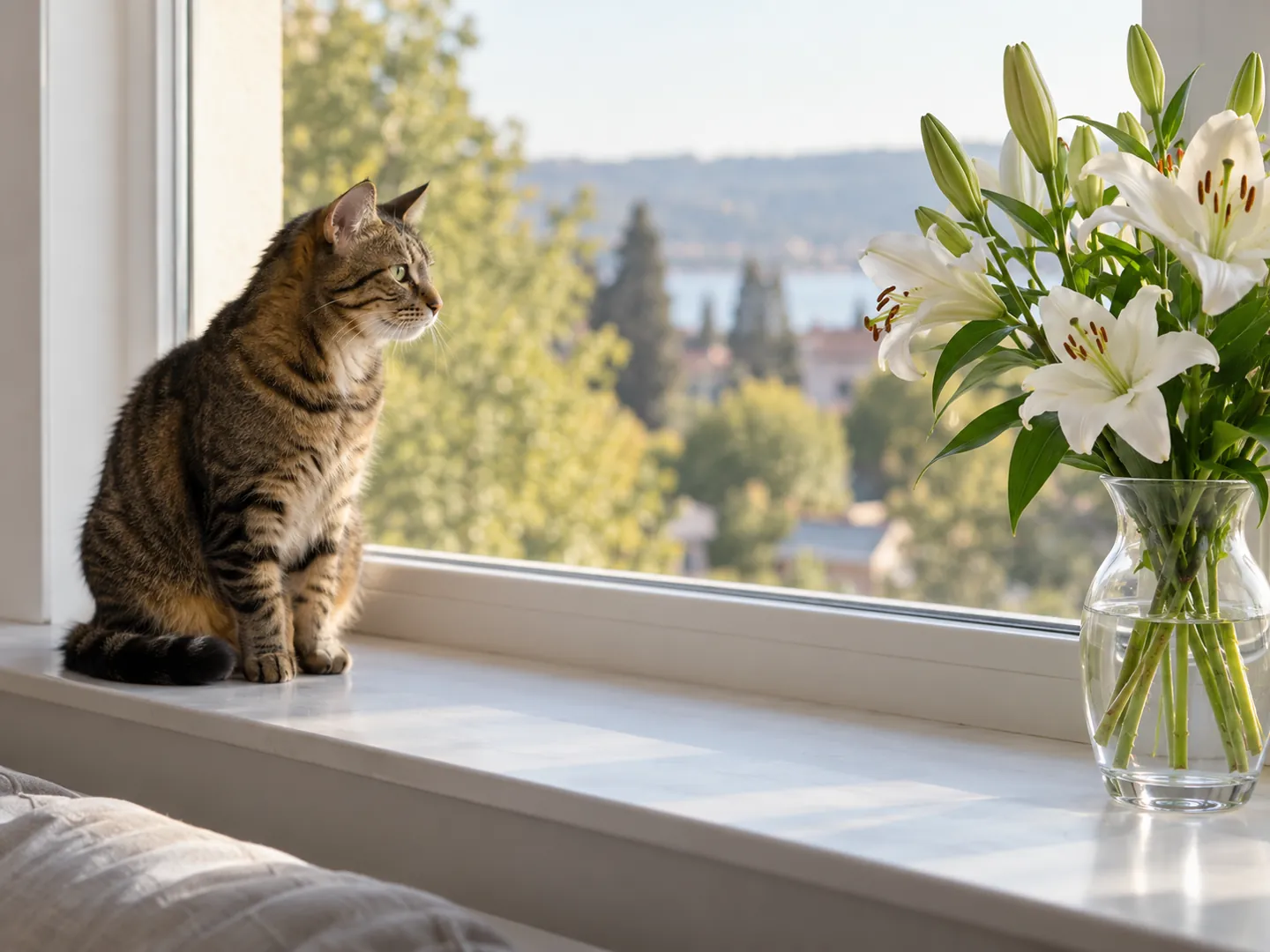
It is not just the pollen: leaves and petals are toxic too. Animal PoisonLine says cat owners should avoid all true lilies and day lilies in home and garden.
Check a hazardXYLITOL
Xylitol, also sold as birch sugar, is in sugar-free gum and sweets. It can cause low blood sugar and liver damage in dogs.
What to do
IF YOUR PET GETS INTO SOMETHING
Animal PoisonLine is a 24-hour UK service for pet owners. Its advice on what to do comes down to a few steps.
Collapse, convulsions or breathing difficulties need a vet immediately, as do true lilies eaten by a cat.
Have the product name, the amount, how it was taken in and how long ago ready when you call.
Age, breed and weight help specialists judge whether the dose is likely to be harmful.
If you are sent to the vet, say you called PoisonLine; vets can get detailed treatment advice from VPIS.
TWO NUMBERS WORTH KNOWING
One figure from UK vet records,
one on how vets get poisons advice.
4.7× higher
Odds of a chocolate case at Christmas
A study of UK vet records from 2012 to 2017 found dogs had 4.74 times the odds of a chocolate exposure visit at Christmas, and 1.97 times at Easter, compared with other dates.
CHRISTMAS · VETERINARY RECORD
≈ 80%
UK vets who are VPIS members
Animal PoisonLine says approximately 80% of vets are members of the Veterinary Poisons Information Service and use it for specialist advice on poisoning cases.
VET SUPPORT · VPIS
In the vet-record study, sources of chocolate included gift boxes and bars, Easter eggs, chocolate cake, liqueurs, Advent calendars and tree decorations. Vomiting after eating it was recorded in 17% of cases.
A QUICK HAZARD CHECK
Pick something a pet might get into to see what the UK's veterinary poison specialists say about it. The bar shows how serious they consider it.
From Animal PoisonLine, run by the Veterinary Poisons Information Service. General information, not veterinary advice: if in doubt, call your vet.
WHY TIMING MATTERS
Xylitol is one of the most common agents Animal PoisonLine receives calls about. Effects may start within an hour, but in some cases low blood sugar can be delayed by 24 to 48 hours, especially where the liver is damaged.
Grape and raisin poisoning is not fully understood, and signs can include vomiting and diarrhoea, unusual drinking or urination, and weakness. Because the dose does not predict the outcome, specialists treat any amount as a concern.
Questions
It contains theobromine, which dogs do not tolerate well. Milk and especially dark chocolate can cause agitation, tremors, convulsions and heart problems; white chocolate generally does not represent a risk.
Yes. Animal PoisonLine says grapes, raisins and sultanas can be very toxic to dogs and cats, and even a small amount can cause kidney damage.
No. Leaves and petals are toxic too, and the whole plant is likely to be a risk. Cat owners are advised to avoid all true lilies and day lilies.
Another name for xylitol, a sweetener found in sugar-free gum and sweets and sold for home baking. It can cause low blood sugar and liver damage in dogs.
A study of UK vet records found dogs had 4.74 times the odds of a chocolate exposure visit at Christmas and 1.97 times at Easter, compared with other times of year.
Updated
ABOUT THIS NAME
mydoodlepets.com is part of the DoodleSale portfolio. It isn't in an auction right now, but you can ask about leasing it.